RF vs RTJ Flange: What’s the Difference?
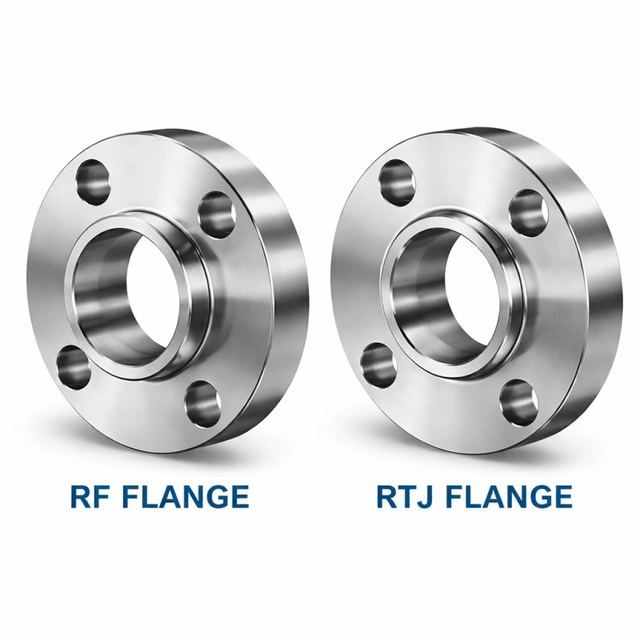
Overview
RF vs RTJ Flange: What’s the Difference? supplied by Advanced Oilfield Hoses & Solutions. Key published specifications: Flange Type Typical Application; Sealing Method Pressure Range; ff Water, HVAC, and low-pressure industry; Full-face gasket Low. Contact the supplier through the RFQ form for pricing, lead time and full datasheets.
Technical specifications
| Flange Type | Typical Application |
|---|---|
| Sealing Method | Pressure Range |
| ff | Water, HVAC, and low-pressure industry |
| Full-face gasket | Low |
| Ring/spiral wound gasket | Moderate to high |
| Metal ring gasket | Extreme |
| Common Industry Uses | Key Advantages |
| FF (Flat Face) | Up to 150 psi (Class 150) |
| RF (Raised Face) | 150–2500 psi (Class 150–2500) |
| RTJ (Ring Type Joint) | 600–5000+ psi (Class 600 and above) |
| Oil & gas wells, nuclear plants | Extreme pressure/temperature resistance |
| Flat Face (FF) | Limited |
| Raised Face (RF) | Moderate to high |
| Ring Type Joint (RTJ) | High to extreme |
| Simple design | Limited sealing capability |
| Easy to manufacture | Not suitable for high-pressure use |
| Low cost | Strict gasket requirements |
| Equipment protection | Surface area penalty |
| Visual inspection | Limited pressure rating |
| Pros | Cons |
| Withstands extreme temperatures and pressures | Limited to critical, high-value applications |
| Tolerance and Alignment Considerations | Application Recommendations |